
Heating Installation & Replacement in Durham, NC
The wrong heating system is usually chosen for the wrong reason: a neighbour's recommendation, a rebate deadline, or a quote written without a load calculation. In Durham the choice between a heat pump, a gas furnace, and a dual-fuel system depends on the fuel at the house, the duct system, and how the home actually loses heat. Heating installation in Durham should be a measurement exercise before it is a purchasing decision. This page explains what gets measured and why it changes the answer.
Why Homeowners in Durham Choose Us for Heating Installation
A replacement should match the house, not the old label on the cabinet. We run a load calculation, measure the duct system’s static pressure and return capacity, check the fuel available at the property, and confirm what the electrical service can carry. Only then does the equipment conversation start. HVAC Durham NC installs heat pumps, gas furnaces, electric furnaces, and dual-fuel systems across Durham, and we will tell you when the existing system can be kept rather than replaced.
Load Calculation First
Sized to the house's actual heat loss rather than to whatever the old unit happened to be.
Ducts Measured, Not Assumed
Static pressure and return capacity checked before a new system is asked to move more air than the ducts allow.
Why This Can't Wait in Durham
Heating replacements get decided in the cold, and the cold here is short and sharp. NCEI’s 1991-2020 normals for the RDU station put the January normal low at 31.8F, and most of the year’s 3,153 heating degree days land between November and February. A system that is failing in October becomes a January emergency, and a January emergency is the worst possible moment to be choosing a system, a fuel, and a contractor at the same time.
There is a second reason to plan early. The fuel mix in Durham means the right answer is genuinely different from house to house: Census estimates for the City of Durham show electricity as the primary heating fuel in about 59.9 percent of occupied homes and utility gas in about 37.7 percent, and natural gas arrives through Enbridge Gas North Carolina, the utility formerly known as PSNC. A house with a gas service and a sound flue has options a house with an electric service and a failing heat pump does not.
Planning also protects the duct work. A replacement installed in a hurry tends to reuse whatever duct system is already there, even when that system cannot deliver the airflow the new equipment needs. Measured in advance, the duct correction can be scoped and scheduled; discovered on the install day, it becomes an argument about who pays for it.
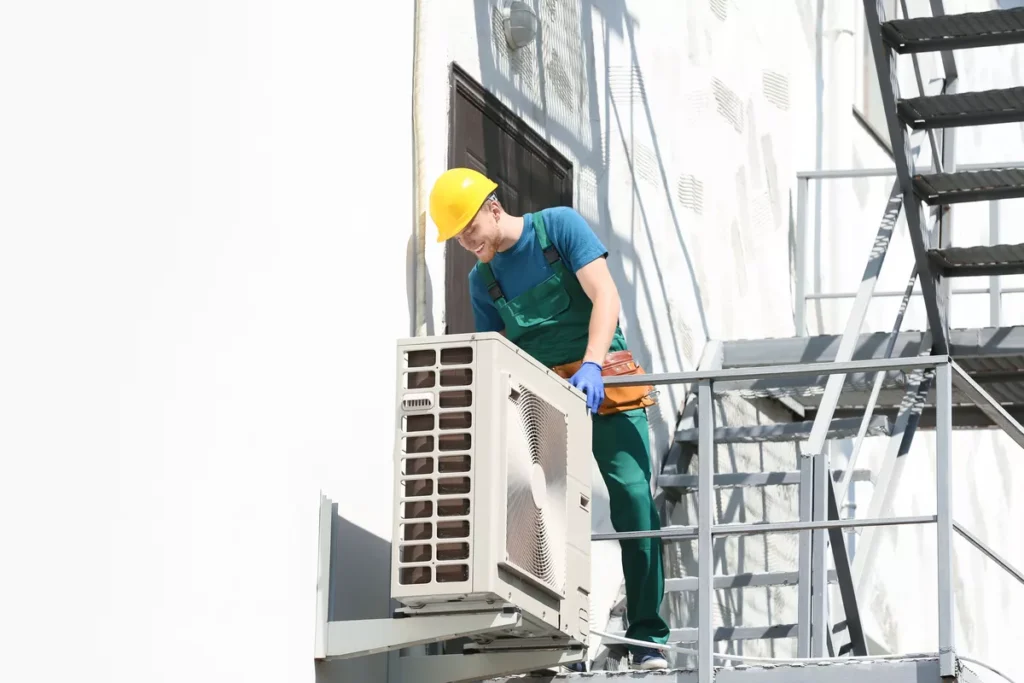
OUR HEATING INSTALLATION IN DURHAM
What Backs Our Heating Installation Work
Heat Pump Sizing and the Balance Point
A heat pump is sized to the house’s heating load and then configured so it and the backup heat work together, and both halves matter in Durham. Four points. The load calculation determines capacity, because an oversized heat pump short-cycles in cooling and dehumidifies poorly through a long humid summer. The balance point is the outdoor temperature at which the heat pump can no longer hold the setpoint alone, and setting it correctly decides how often auxiliary heat runs. Auxiliary heat is expensive compared with the compressor, so a balance point set too high quietly raises every winter bill. Defrost behaviour has to be checked at commissioning, because a system that dumps cold air during defrost feels broken even when it is not. Commissioning is where a good install becomes a good system.
Duct Sealing and Return Capacity
The ducts are part of the heating system whether or not they are in the quote, and in older Durham homes they are usually the weakest part. Four checks matter. Return capacity decides whether the blower can move its rated airflow, and most undersized systems here are short on return, not supply. Static pressure shows how much resistance the ducts add, and high static pressure costs capacity and motor life. Leakage in unconditioned spaces loses heat before it reaches a room, which shows up as a system that runs long and still feels cool. Register and grille sizing determines whether the air can actually leave the duct. Sealing and correcting the returns is often the highest-value part of a replacement, and it is invisible in a photo of the new equipment.
Cold-Climate Heat Pumps in Zone 4A
Durham County sits in DOE and ASHRAE climate zone 4A, mixed-humid, which is a demanding combination for a heat pump: real winter cold, and a long humid cooling season. Four points follow for equipment selection. A standard heat pump is rated for the cooling load and the mild part of the heating load, and it will lean on auxiliary heat in the coldest hours. A cold-climate heat pump holds more capacity at low outdoor temperatures, which reduces strip heat use and is worth considering where the electric service allows it. Humidity control in summer matters as much as heating capacity, which argues for variable-speed equipment in a house with a long cooling season. The equipment has to be matched to the air handler and coil, because a mismatched system loses much of the efficiency it was sold on.
Fuel Choice, Gas and the Permit
The fuel at the property narrows the choice before efficiency enters the conversation, and the permit closes it out. Four points. A house with natural gas service can consider a furnace, a heat pump, or a dual-fuel combination, and the gas line has to be sized for whichever is chosen. A house with electric service only is usually choosing between a heat pump and electric resistance, and resistance heat is the most expensive way to heat a home. Propane is a real option outside the gas mains but adds tank and delivery considerations. Durham’s City-County Building & Safety department states that mechanical permits are required when installing or upgrading heating systems, and the department handles permits and inspections for both the city and the county, so the permit belongs in the plan rather than at the end.
Heat Pump Replacement
Sized to the load and commissioned properly, including the balance point and defrost behaviour.
- Load calculation
- Balance point setup
- Aux heat staging
- Commissioning
Gas Furnace Installation
Vent path, gas line, and closet checked before the unit is specified.
- Vent assessment
- Gas line sizing
- Combustion air
- Clearances
Dual-Fuel Systems
A heat pump and furnace paired with the changeover set for the actual utility rates.
- Changeover setup
- Lockout wiring
- Fuel comparison
- Controls
Duct Sealing and Returns
The airflow work that decides whether the new system performs as rated.
- Static pressure
- Return capacity
- Leak sealing
- Grille sizing
Electric Furnace Replacement
Circuit, elements, and sequencer checked before a like-for-like swap.
- Panel capacity
- Element sizing
- Sequencer setup
- Disconnect
Permits and Commissioning
The mechanical permit and the measured startup, handled as part of the job.
- Permit scope
- Inspection
- Temperature rise
- Airflow balance
Our Heating Installation Process
This order is why a replacement performs the way the specification promised.
The Installation Scenario No One Else Covers
A 1990s Durham subdivision house with a single central return and a new variable-speed heat pump is a case where better equipment can perform worse than the old system. The new unit is capable of moving more air at lower speed, but the return path was sized for a single-speed blower and the filter grille is too small. The result is high static pressure, a blower that cannot reach its rated airflow, and a house that feels uneven despite equipment that tested perfectly on the bench.
We measure the return before specifying the system, and we say what the ducts need in the same conversation as the equipment. Sometimes that is an additional return and a larger filter grille, sometimes it is sealing and rebalancing, and sometimes the existing ducts are fine. The point is that the answer is known before the install rather than discovered when the rooms do not heat evenly. It is also the reason a replacement quote that lists equipment but no airflow work is worth questioning.
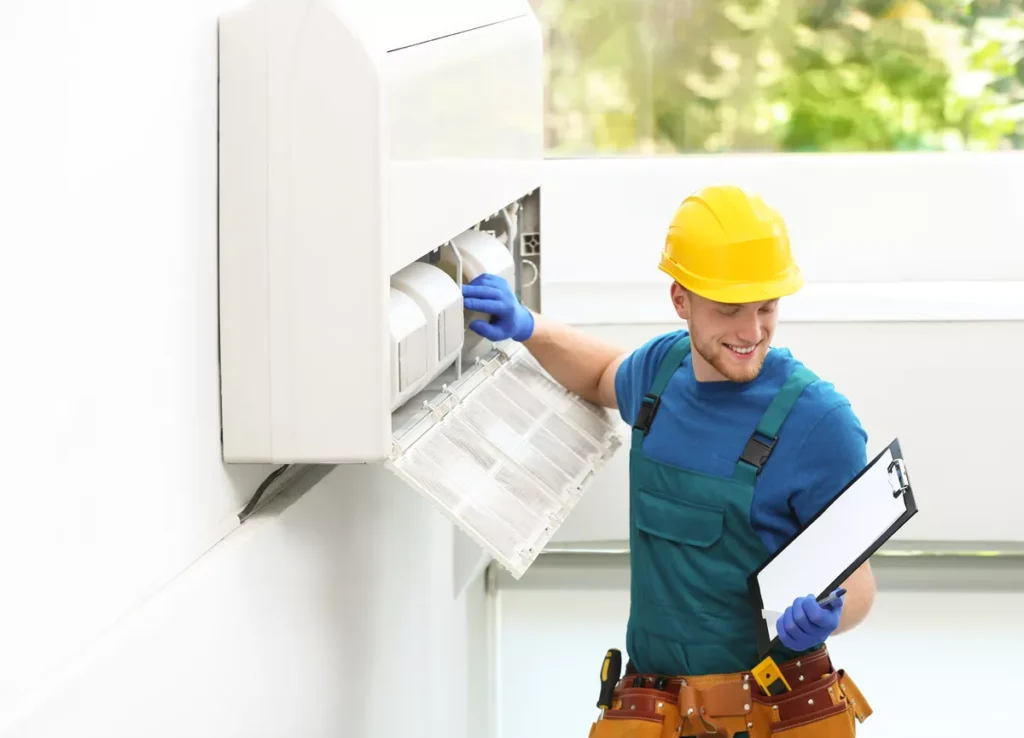
System Failed and It's Cold?
If you smell gas, leave the house and call your gas utility. Otherwise call (984) 230-5554 and we will tell you what to check at the thermostat and breaker while a replacement or repair is scheduled.
Local Heating Installation Across the Triangle
HVAC Durham NC installs heating systems in Durham and across the surrounding Triangle, including Chapel Hill, Carrboro, Raleigh, Cary, Morrisville, Research Triangle Park, Apex, Holly Springs, and Hillsborough. Duct systems and fuel availability vary by neighborhood, which is why the survey precedes the specification and why two similar houses can need different equipment.
Frequently Asked Questions About Heating Installation
The questions Durham homeowners ask before replacing a heating system.
It depends on the fuel at the house, the ducts, and how the home is used. A heat pump heats and cools efficiently and suits most Durham homes with sound ducts, while a gas furnace delivers strong heat on the coldest nights where gas is already available. A dual-fuel system combines both and switches automatically, which is often the best fit where gas exists and cooling matters.
A straightforward heat pump or furnace replacement is usually a single day. A job that includes duct corrections, a new vent route, or electrical work takes longer. The survey tells us which one you are getting, and we would rather quote the real timeline than a short one that slips.
Not necessarily. If the existing furnace is in good condition and the blower can handle the airflow, it can often serve as the backup in a dual-fuel system. If the furnace is old or the blower is not compatible, replacing both together is usually the better long-term decision, and the inspection is what settles it.
Yes. Durham's City-County Building & Safety department states that mechanical permits are required when installing or upgrading heating, air conditioning, and ventilation systems, and the department handles permits and inspections for both the city and the county. The permit and inspection should be part of the quote.
Modern variable-speed systems are designed to run longer at lower capacity, which improves comfort and humidity control and usually costs less to operate than short, full-blast cycles. Longer runtime is normal. What is not normal is a system that cannot hold the setpoint, and that points to sizing, airflow, or commissioning rather than the equipment itself, so the first thing to check is the supply temperature and the filter.
Often yes, but only after the ducts are measured. Static pressure and return capacity decide whether the existing system can support the new equipment's airflow. Reusing undersized ducts with a higher-capacity system is the most common reason a new installation underperforms, and it is also the reason a replacement should include an airflow measurement rather than a promise.