The single most effective thing a Durham homeowner can do to avoid a mid-July AC breakdown is schedule a maintenance visit every spring before the heat hits. That’s not a sales pitch. It’s the pattern we see every summer across Durham, Chapel Hill, Morrisville, and the rest of the Triangle: the homeowners who skipped their spring tune-up are the ones calling for emergency repairs in July.
AC maintenance in Durham typically runs $80–$200 for a professional visit. The average AC repair call runs $150–$650. A compressor replacement runs $800–$2,000+. The math isn’t subtle.
This guide covers what a proper maintenance visit includes, what you can do yourself between visits, when to schedule it, and how to find a qualified HVAC company in Durham that isn’t just checking boxes.

What AC Maintenance in Durham Actually Includes
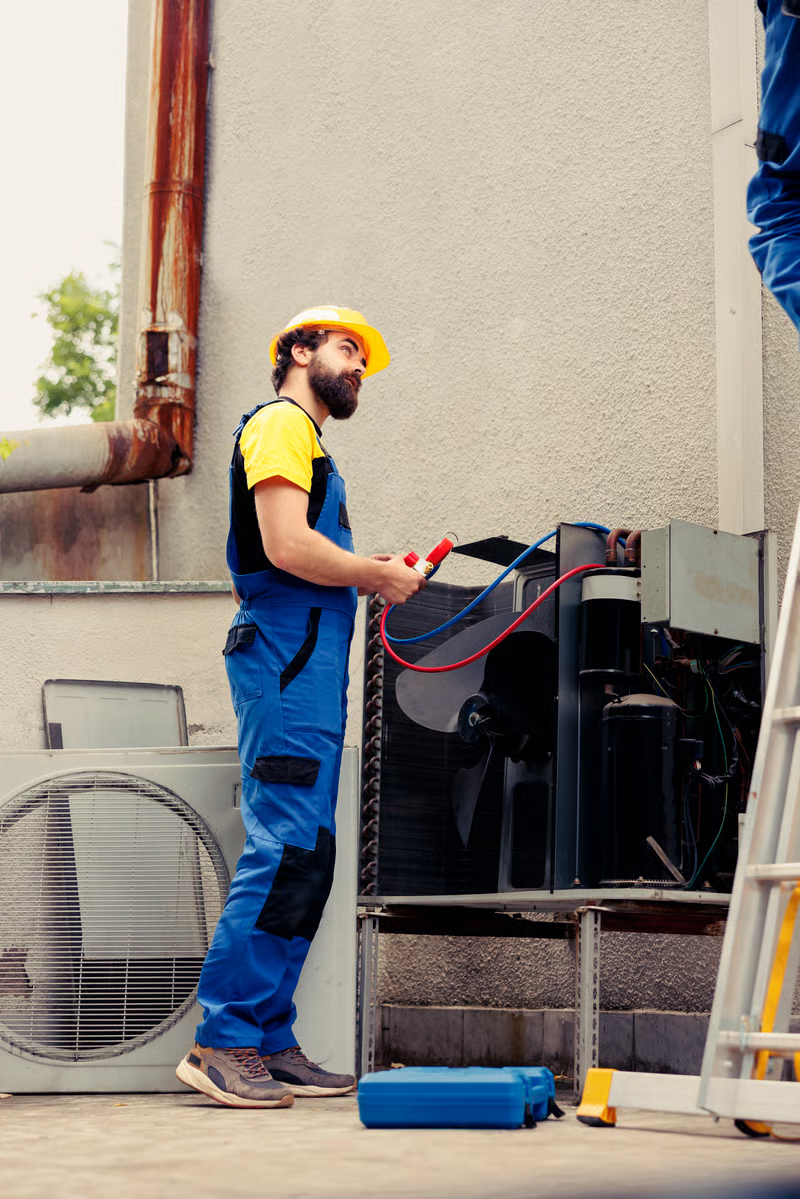
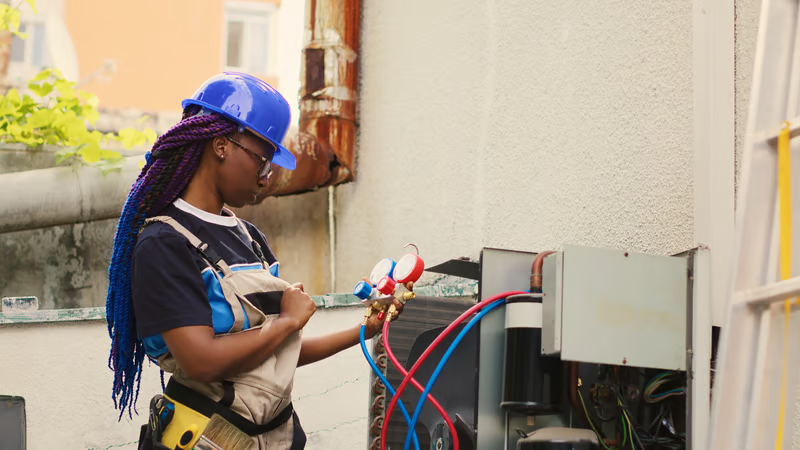
A real maintenance visit isn’t a 15-minute filter swap and a “looks good.” Here’s what a thorough ac maintenance durham appointment should cover:
Electrical system check:
- Inspect and tighten all electrical connections
- Test capacitors and contactors for wear the components most likely to fail in Durham’s heat
- Check voltage and amperage draws on motors
- Inspect disconnect box and wiring at the outdoor unit
Refrigerant system check:
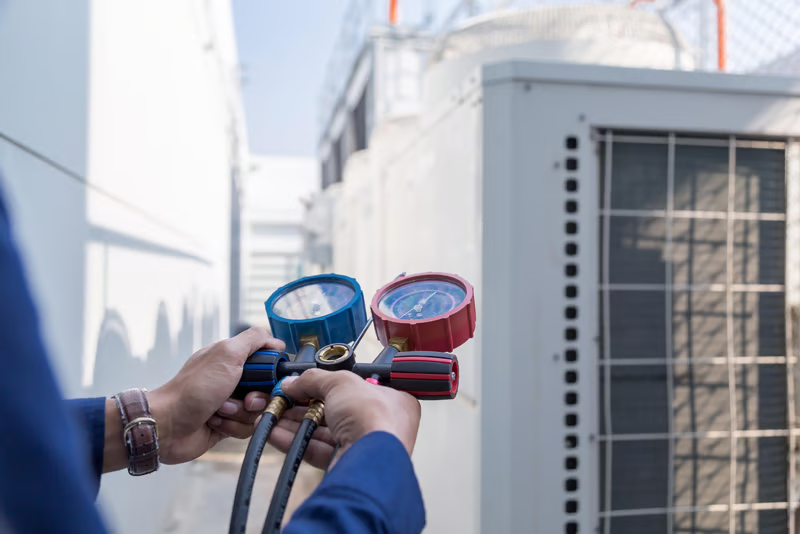
- Check refrigerant pressure and temperature differentials
- Inspect refrigerant lines for signs of leaks, oil residue, or frost
- Note: a technician should not add refrigerant without checking for a leak first if they suggest a “top-off” without leak detection, that’s a red flag
Coil cleaning:
- Clean the evaporator coil (indoor unit) dirty coils reduce heat transfer and make the system work harder
- Clean the condenser coil (outdoor unit) Durham’s pollen season, which ranks among the highest in the country, loads outdoor coils fast between visits
- Straighten bent coil fins if needed
Drainage system:
- Clear the condensate drain line a clogged drain causes water backup and can trigger an automatic safety shutoff mid-summer
- Check the condensate pan for standing water or algae buildup
- In Durham’s humidity, drain clogs are more common than most homeowners realize
Airflow and mechanical:
- Check and replace air filter if needed
- Inspect blower motor and wheel for buildup
- Measure airflow at supply and return vents
- Inspect ductwork connections at the air handler for leaks
System-level:
- Test thermostat calibration and operation
- Run a full system cycle and measure supply/return temperature differential should be 14–22°F for a properly functioning system
- Check refrigerant line insulation on the suction line
What you should get at the end: A written summary of everything checked, anything found, and what if anything needs attention. If a technician leaves without giving you any documentation, that’s worth noting.
Furnace Maintenance in Durham: Don’t Skip the Heating Side
Most Durham homeowners think about AC maintenance in spring and forget about the furnace entirely until something goes wrong in November. Furnace maintenance in Durham should happen every fall ideally September or October, before you actually need it.
A furnace tune-up covers heat exchanger inspection (critical a cracked heat exchanger is a carbon monoxide risk), burner cleaning, igniter testing, flue inspection, and a safety check on all controls and limit switches.
The same logic applies: a $100–$150 furnace maintenance visit in October is far less expensive than a furnace repair in Durham call in January when every HVAC company in the Triangle is booked out.
If your home runs a heat pump rather than a gas furnace, your system handles both heating and cooling which means it runs year-round and accumulates more hours than a standard AC. Heat pump maintenance should happen twice a year: once before cooling season and once before heating season. [“How Long Does an AC Unit Last in Durham, NC?” | anchor: “how maintenance affects the lifespan of your Durham HVAC system”]

What Happens When Durham Homeowners Skip AC Maintenance
Here’s what we see in real homes across Durham, Cary, and Apex when maintenance gets skipped for a season or two:
Dirty condenser coils → The outdoor unit can’t release heat efficiently → The compressor runs hotter and longer than it should → Compressor life shortens by years.
Clogged condensate drain → Water backs up into the drain pan → The safety float switch triggers an automatic shutoff → Homeowner wakes up to a 85°F house with no obvious explanation.
Unchecked capacitor → A weak capacitor that would have been flagged at a maintenance visit fails completely mid-season → The compressor can’t start → $250–$400 repair call that could have been a $0 replacement flag.
Low refrigerant not caught early → A small leak left unaddressed through one more summer → Compressor runs in conditions it wasn’t designed for → Compressor fails → $800–$2,000+ repair or full replacement conversation.
The pattern is consistent: air conditioning repair in Durham, NC calls that come in June and July are very often the result of a maintenance issue that could have been caught in April. [“AC Blowing Warm Air in Durham? 7 Causes and What to Check First” | anchor: “the most common causes of AC problems in Durham homes”]
What You Can Do Yourself Between Professional Visits
Professional maintenance once a year is the baseline. Between visits, here’s what Durham homeowners should do on their own:
Check and replace your air filter every 30–60 days during peak season. Durham’s pollen counts and general air quality make filters clog faster than the 90-day recommendation on the packaging. If you have pets, 30 days is more realistic. A clogged filter is the single most common cause of reduced airflow, frozen coils, and unnecessary wear on your system.
Keep the outdoor unit clear. Trim any shrubs, vines, or grass within 2 feet of the condenser unit. After Durham’s spring pollen season, rinse the outdoor coil gently with a garden hose top to bottom, not high pressure to clear pollen and debris from the fins.
Keep supply and return vents open and unblocked. Closing vents in unused rooms feels logical but actually increases static pressure throughout the duct system and stresses the blower motor. Leave them open.
Listen to your system. New sounds clicking on startup, humming that lingers, rattling from the air handler are early warnings. Catching them early is the difference between a $200 repair and a $1,500 one.
Check your condensate drain line monthly in summer. Pour a cup of diluted bleach or white vinegar down the drain access port (usually a PVC pipe near the indoor unit) once a month during cooling season. It prevents algae buildup that causes clogs.
How to Find a Qualified HVAC Company for Maintenance in Durham
Not every HVAC company offering a “$49 tune-up special” is doing the work described above. Here’s how to tell the difference:
Verify their NC mechanical contractor license at the NC State Board of Examiners of Plumbing, Heating and Fire Sprinkler Contractors website before booking. This takes two minutes and confirms the company is licensed for HVAC mechanical work in North Carolina.
Ask what the maintenance visit includes in writing. A professional hvac company in Durham should be able to give you a written checklist of what’s covered. If they can’t, you’re probably getting a visual inspection and a filter swap, not a real tune-up.
Ask about NATE certification. NATE-certified technicians have passed standardized testing on HVAC systems. It’s a meaningful signal of training, not just time on the job.
Watch out for the “maintenance visit → pressure sale” pattern. A maintenance visit should result in a written report and, if needed, a written repair recommendation with a quote. It should not result in a high-pressure pitch to replace your entire system based on findings you can’t verify. Get a second opinion on any major recommendation that comes out of a maintenance visit.
Among hvac companies in Durham, NC, quality varies significantly. Check Google reviews for patterns not just the star rating but specifically whether reviewers mention the technician took time to explain findings and provided documentation.
When to Schedule AC Maintenance in Durham
Spring (March–April): Ideal timing for AC maintenance. Before the humidity and heat arrive, before the summer rush, and while technician availability is best. If you wait until May, you’re competing with everyone else who waited.
Fall (September–October): Furnace and heat pump maintenance window. Before heating season starts, while HVAC companies still have availability.
What to avoid: Calling for maintenance in June or July when every hvac contractor in Durham and across the Triangle is handling breakdown calls. You’ll wait longer, pay more for urgency scheduling, and get a technician who’s rushed.
If you’ve never had your system serviced and you don’t know its maintenance history common with homes purchased in the past few years schedule a visit as soon as possible regardless of season. An inspection on an unknown system is always worth it.
Frequently Asked Questions About AC Maintenance in Durham
How often should I get AC maintenance in Durham, NC? Once a year is the standard recommendation — spring for the AC, fall for the furnace or heat pump heating mode. In Durham’s climate, where AC systems run hard from May through September and heat pumps run year-round, annual maintenance is a minimum. Systems over 10 years old benefit from twice-yearly inspections, as aging components need more frequent monitoring.
How much does AC maintenance cost in Durham? A professional AC tune-up in Durham typically runs $80–$200 depending on the company and what’s included. Some companies offer annual maintenance agreements at $150–$300 per year that cover both spring AC and fall furnace visits plus priority scheduling. That’s generally good value compared to paying for two separate visits. [“How Much Does AC Repair Cost in Durham, NC?” | anchor: “how AC maintenance costs compare to repair costs in Durham”]
Can I do AC maintenance myself in Durham? You can handle the homeowner tasks: filter replacement, outdoor unit clearance, coil rinse, condensate drain treatment. Those are real contributions to system health. But the electrical checks, refrigerant pressure measurement, coil cleaning with proper chemicals, and full system diagnostics require a licensed technician with the right equipment. EPA Section 608 also prohibits homeowners from handling refrigerants. Do both the DIY tasks monthly, the professional visit annually.
What happens if I skip AC maintenance for a few years in Durham? Skipping maintenance doesn’t always cause immediate failure — but it shortens system lifespan, reduces efficiency (and raises your Duke Energy bill), and lets small problems compound into expensive ones. In Durham’s climate specifically, condenser coils clog faster from pollen, condensate drains clog faster from humidity, and capacitors fail faster from the sustained summer load. A well-maintained system routinely lasts 15–18 years in North Carolina. A neglected one often doesn’t make it past 10–12. [“How Long Does an AC Unit Last in Durham, NC?” | anchor: “how long a properly maintained Durham AC unit should last”]
Schedule Your Durham AC Maintenance Today
Don’t wait for a breakdown to find out your system needed attention. Our licensed technicians serve Durham, Chapel Hill, Carrboro, Hillsborough, Morrisville, Cary, Apex, and Wake Forest with spring and fall maintenance visits, written reports, and no-pressure recommendations.
Call now to book your AC maintenance visit: [(984) 230-5554]
If your system is already having problems, we handle ac repair in Durham, NC, heat pump repair in Durham, and furnace repair in Durham — same licensed team, same written estimates.
For a complete guide to AC repair services, contractor vetting, and Durham-specific pricing, read our full resource. [“AC Repair in Durham, NC: Complete 2026 Homeowner’s Guide” | anchor: “the complete AC repair and maintenance guide for Durham homeowners”]